
Recent Posts

GLP-1 Medications Negatively Impact Muscle Maintenance
GLP-1 (glucagon-like protein-1) receptor agonists like Wegovy and Ozempic are so popular that their use by an increasing number of Americans desiring their weight loss benefits is leading to shortages and increasing reports of “fake” [...]
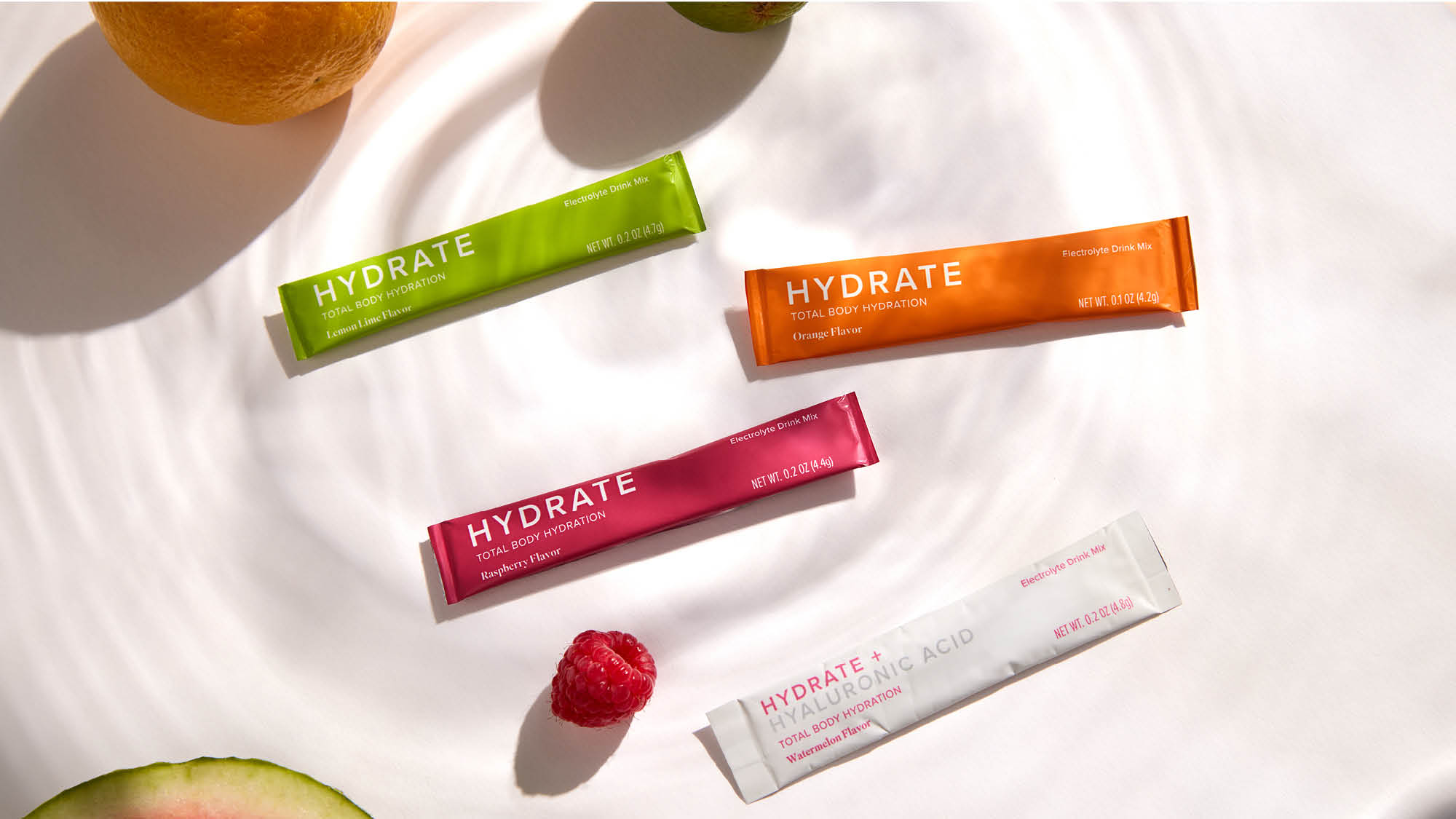
Hydrate and Hydrate + Hyaluronic Acid Commonly Asked Questions
What is Hydrate? Hydrate is an electrolyte beverage that replenishes nutrients lost through daily activity better than water alone. It provides essential electrolytes for proper mineral balance to help you feel restored and replenished without [...]
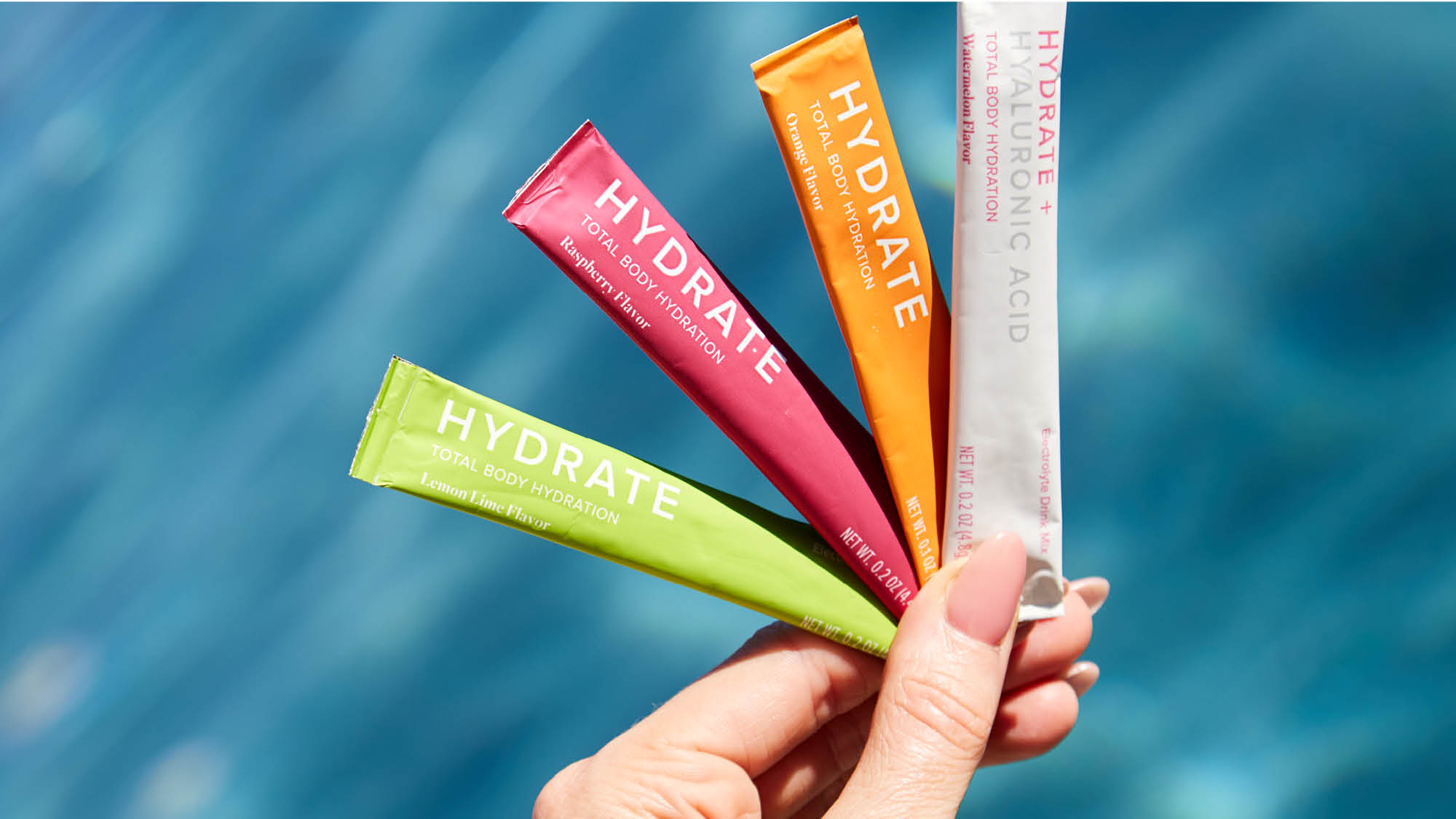
All About Hydrate and Hydrate + Hyaluronic Acid
Staying hydrated is a vital part of maintaining cellular health and, therefore, a vital component of living in a state of wellbeing. This hydration, essential for our muscles and nerve cells (neurons), commonly considered the [...]
Latest Podcasts

Get to Know Dr. Paul Arciero
Get to Know Dr. Paul Arciero | Paul Arciero, Ph.D., FACSM, FTOS from Isagenix® International on Vimeo. Trainer: Paul Arciero, Ph.D., FACSM, FTOS If you are familiar with Isagenix, you have likely heard of [...]
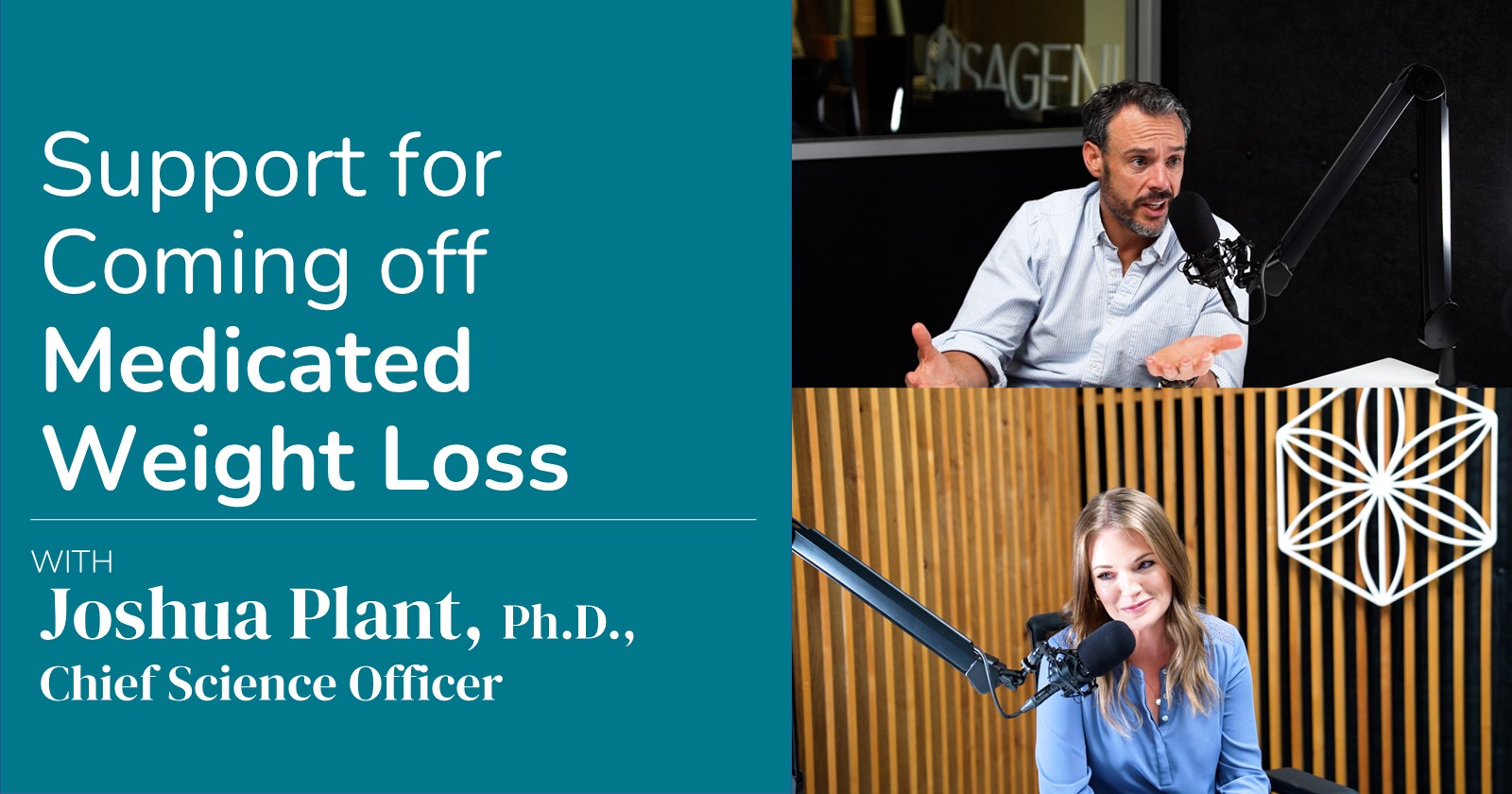
Support for Coming Off Medicated Weight Loss
Coming Off Medicated Weight Loss Support from Isagenix® International on Vimeo. Trainer: Joshua Plant, Ph.D., Chief Science Officer Many individuals who are using one of the popular pharmaceuticals to support weight loss fear the [...]
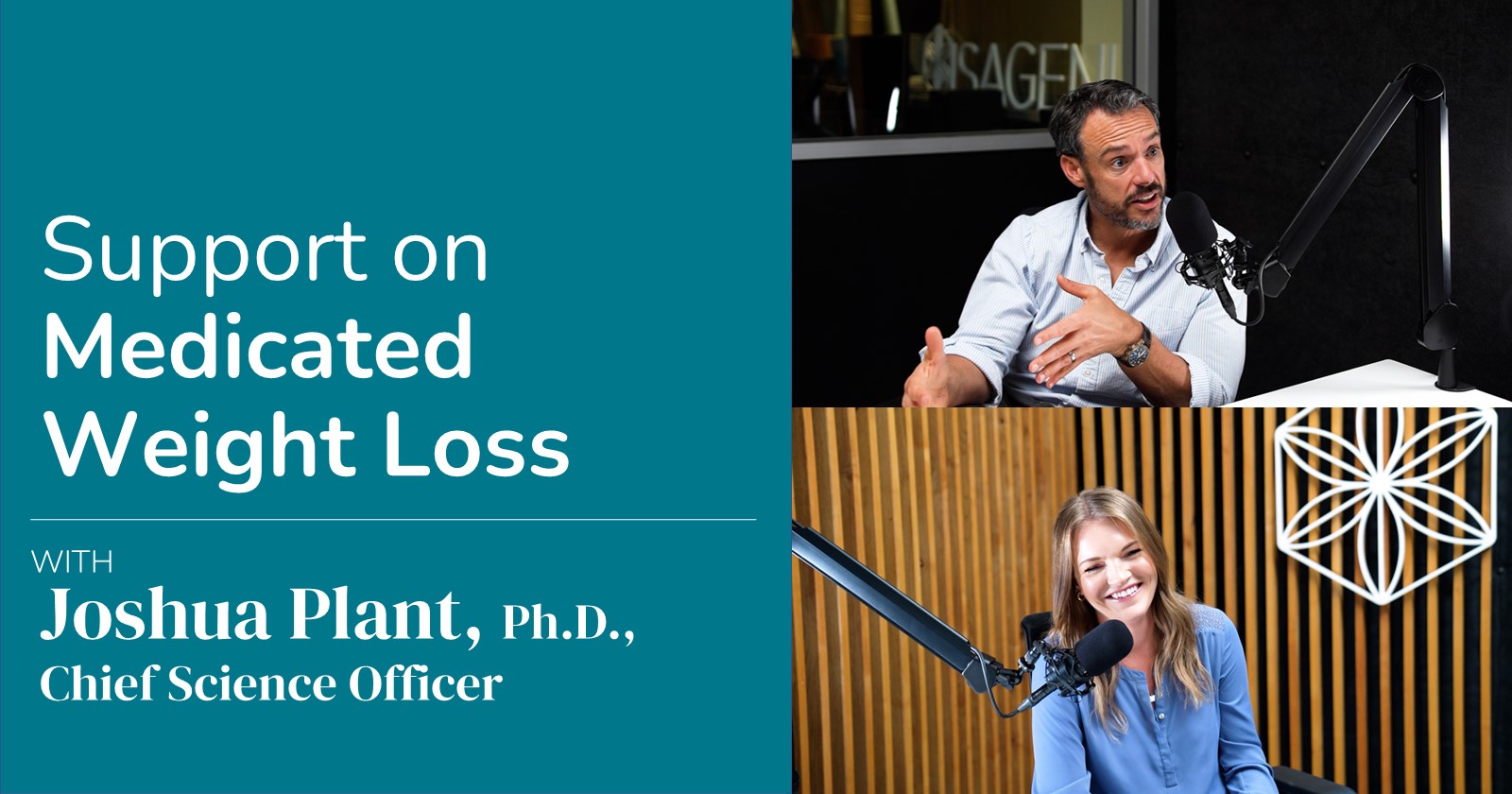
Support on Medicated Weight Loss
Support On Medicated Weight Loss with Dr. Plant part 2 from Isagenix® International on Vimeo. Trainer: Joshua Plant, Ph.D., Chief Science Officer If you are using one of the popular medications to support weight [...]
Featured Posts

The Isagenix Weight Management System Shown Superior to Heart-Healthy Diet for Weight Loss, Visceral Fat Loss, and Appetite Control in a Published Study
The Isagenix System of Cleanse Days and Shake Days led to greater weight loss and greater reductions in total body fat and visceral belly fat than a heart-healthy diet. The Isagenix System also outperformed the [...]

Isagenix Compares One vs. Two Cleanse Days per Week in a Clinical Investigation
Since Isagenix’s founding in 2002, the company has been at the forefront of nutritional cleansing, or, as it’s known more broadly, intermittent fasting. The combination of Shake Days and Cleanse Days defines the Isagenix weight [...]

Published Study: Collagen Elixir Substantially Improves Facial Skin Appearance
Isagenix’s Collagen Elixir™ is a scientifically formulated cosmeceutical that blends marine collagen peptides, goji berry, acerola cherry, and aloe vera extracts with skin-supportive nutrients such as vitamin C, zinc, and biotin. In collaboration with expert [...]
No Compromise Commitment
We know you care about what you’re putting into your body. Rest assured that Isagenix does, too. Our no-compromise ingredient policy is extensive, thorough, and is set up to ensure that our products are made in accordance with the best possible practices and are sourced from suppliers that meet our sustainable sourcing standards. Learn more about the Isagenix No-Compromise Commitment by clicking the button below.
